
Lungs of the Earth 2026: the year of the ocean
Lungs of the Earth is a call for environmental action and advocacy. Launched by the Anglican Communion Office in 2025, it invites Anglicans everywhere to restore and protect three vital ecosystems that act as the planet’s natural lungs: oceans, forests and frozen landscapes.
In 2026, the campaign is focused on oceans. Use this page to learn more about how Anglicans around the world are restoring oceans and waterways in their own settings. Download the free campaign pack to find out how your church can get involved, protect an ecosystem where you are, or press your government for change.

The ocean is not a boundary. It is a bridge – connecting peoples, cultures and faith across vast distances. When one lung is damaged, we all struggle to breathe.
Standing with coastal communities
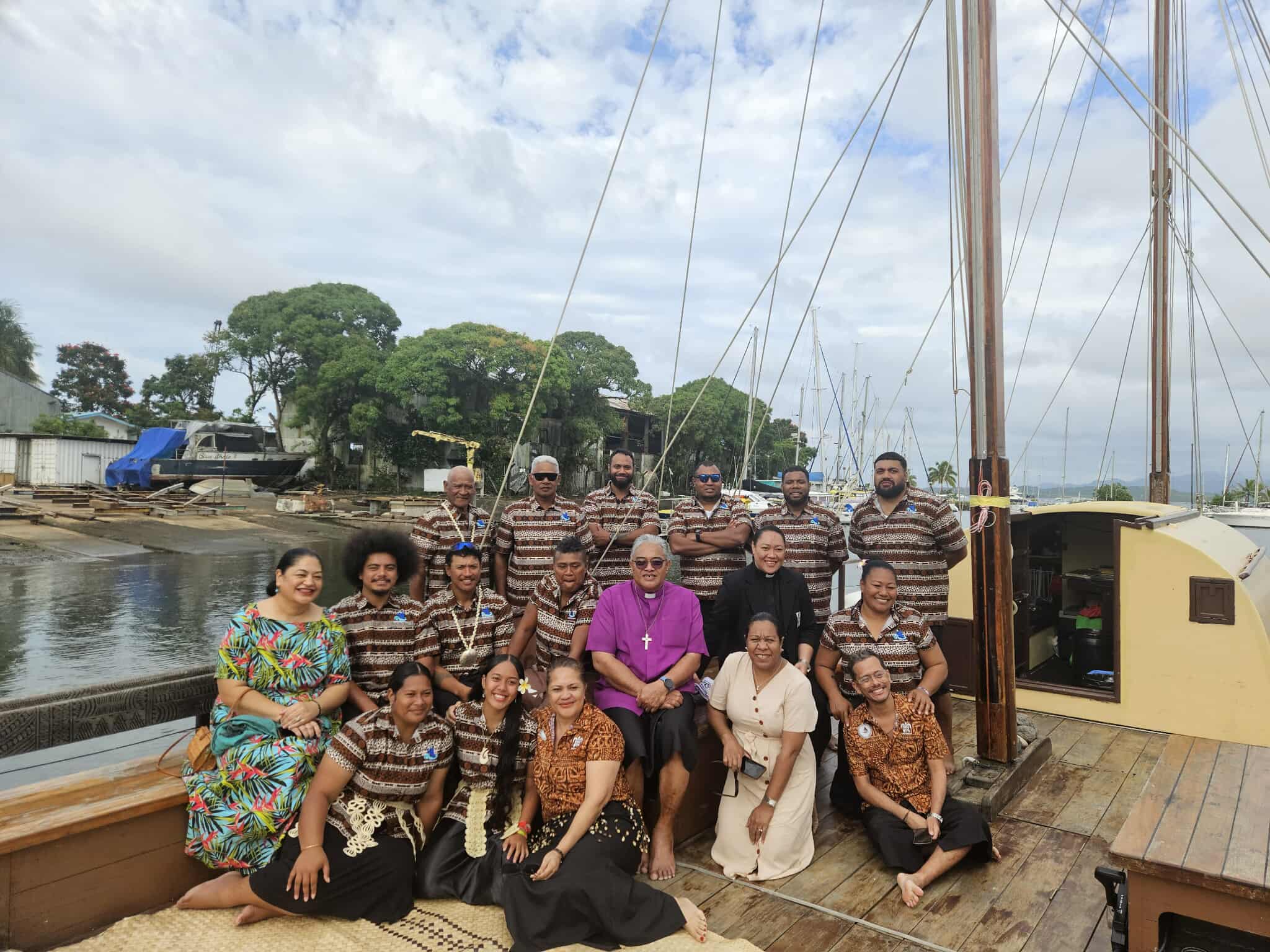
The environmental crisis is a global concern, but it is felt more directly by some communities than others. Many Anglican churches are on the front line of ocean and waterways damage. Through the Lungs of the Earth campaign, you can stand with coastal communities and learn more about their response. Advocate and take action in your setting and advocate to restore and protect oceans as a vital ecosystem.
Anglican communities across the Pacific, particularly in low-lying nations like Fiji, Tuvalu and Kiribati, are on the front line of the climate crisis despite contributing almost nothing to its causes. Rising seas and coastal erosion are swallowing the land on which villages and churches have stood for generations, while warming, acidifying oceans bleach coral reefs and deplete the fish stocks that families depend on for food and livelihood.
Why do oceans matter?
Oxygen
50% of the oxygen we breathe is produced in the ocean.
Biodiversity
The ocean is home to 80% of all global biodiversity, supporting thousands of species.
Heat absorption
90% of excess heat from global warming is absorbed by the ocean, preventing heat spikes.
How are oceans under threat?
General damage and degradation
87% of the global ocean is affected and degraded by human activities like fishing practices and bottom trawling.
Plastic waste and pollution
80% of ocean pollution originates from land-based sources. such as agricultural runoff, coastal cities, and littering.
Carbon emissions
An increase of 150% in ocean acidification levels is projected by the end of this century compared to pre-industrial times, driven by excess carbon emissions.
Living out the 5th mark of mission
Creation care is an integral part of sharing the Good News of Christ. Lungs of the Earth is one way of living out the Five Marks of Mission, which call us ‘To strive to safeguard the integrity of creation, and sustain and renew the life of the earth.‘
How can you respond?
Relationship, Restoration and Resilience
Together we can share learning and strengthen our advocacy across a global Communion of churches in more than 165 countries.
Action
Adopt a coastal community facing the crisis: pray for them, partner with them, learn from what they are already doing.
Find a partner. Use your diocese’s companion link, an Anglican mission agency or the Anglican Alliance to connect with a coastal parish or diocese facing the crisis.
Pray for them by name. Include their place and their needs in your weekly intercessions.
Hear from them. Invite someone from that community to speak to your church online. Ask what they are already doing and what support would help, before offering any.
Advocacy
Add your church’s voice to theirs. A shared ask from many parishes goes further in a negotiating room than a lone letter.
Amplify their calls. Share and endorse statements from frontline churches, such as the April 2026 call from Anglican leaders in Oceania for just climate finance.
Write together. Send a joint letter from several parishes or your deanery to your elected representative. A shared ask from many churches carries further into a negotiating room than a lone letter.
Together we can restore damaged places in our own communities and protect the waters that connect us all.
Action
Choose one project. For example: a beach, river or canal clean-up, a mangrove or wetland planting, or cutting single-use plastic from church events.
Measure what you do. Count or weigh what you collect, or what you stop using, so you can show the difference you’ve made.
Register it. Add your site to Restor a global hyb for nature and conservation.
Take the next step. Do a practical audit of your church’s buildings and lifestyle through a programme such as Eco Church.
Advocacy
Press for protection at source: end plastic pollution where it is produced and reject deep-sea mining.
Ask about plastic. Ask your supermarket and your elected representative what they are doing to cut single-use plastic production, not just to recycle it.
Back a moratorium on deep-sea mining. Ask your government to support one, so the deep ocean is protected before damage starts.
Together we can share knowledge and experience, and help communities prepare before the storm hits rather than reacting after it.
Action
Know your risk. Check your area’s flood or storm risk with your local authority or national weather service.
Make a list. Note who in your congregation and neighbourhood would need help first: older people living alone, people with disabilities, and families without transport.
Name responsibilities. Agree who will check on each person, how you’ll contact them, and where people can gather. Ask whether your church building could serve as a meeting point.
Learn from the Pacific. CIVA, in one of the case studies below, shows how parishes can map their own risk step by step.
Advocacy
Make sure help reaches those most at risk: Support international and national advocacy efforts to push for more effective resilience and response systems.
Early warnings for everyone. Ask your government to fund early warning systems that reach every community, including remote and island ones.
Just finance. Call for adaptation and loss-and-damage funding that reaches frontline communities directly, including local churches and community groups. The cost of repair should fall on the polluters, not the victims.
Local plans. Ask your local council or authority what its emergency plan is for vulnerable residents, and how faith groups can help.
Join the Communion Forest
The Communion Forest is a global initiative comprising local activities of forest protection, tree growing and eco-system restoration undertaken by provinces, dioceses and individual churches across the Anglican Communion to safeguard creation.
Case Studies:
Anglicans protecting oceans as lungs of the earth
Across the Communion, churches are already restoring oceans and waterways and preparing their communities for what is coming. Here are three of their stories
The Anglican Church in Aotearoa, New Zealand and Polynesia
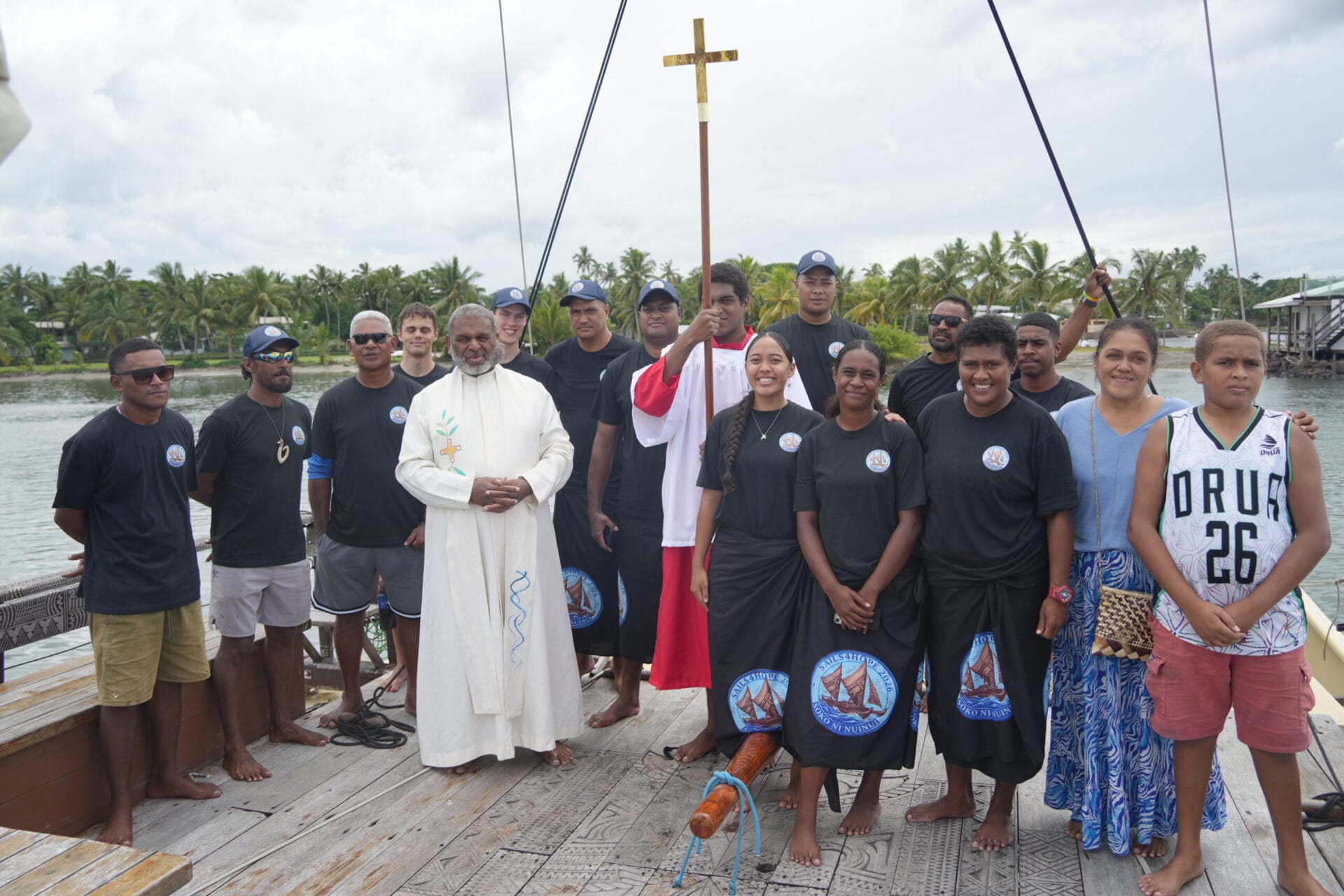
Sails of Hope – Soko ni Nuinui
The Soko ni Nuinui (Sails of Hope) expedition brought together traditional Pacific ocean-faring wisdom, Christian theology and climate science to equip churches and communities as protectors of the ocean.
At its heart was the theme “We Are the Ocean”, reflecting the deep connection between the Moana (ocean) and the community’s identity, mission and unity.
The Church of the Province of Central Africa
Malawi and single-use plastics
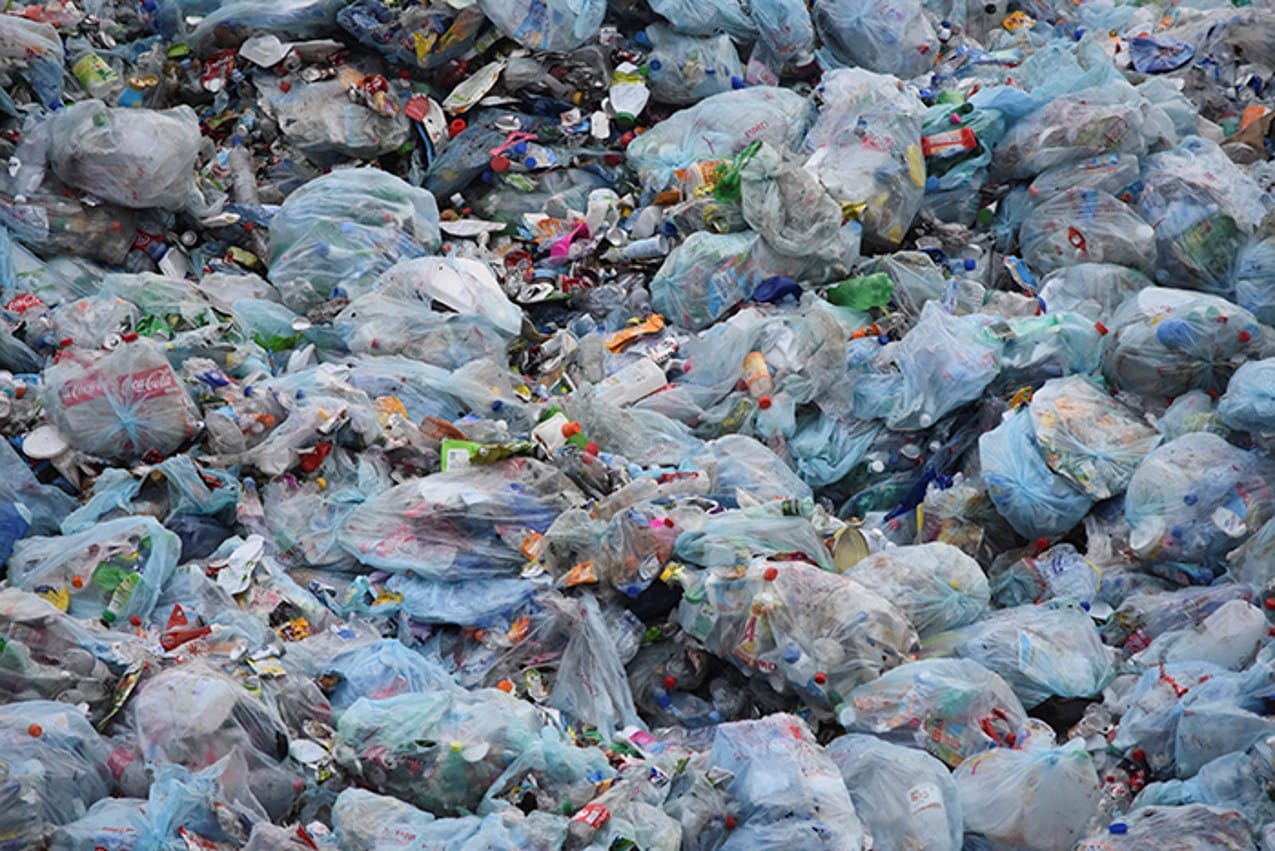
The youth wing of the Anglican Church in Malawi campaigns against single-use thin plastics, organising community clean-ups and promoting eco-friendly alternatives.
A church that changes how a whole community handles waste protects the ocean upstream, and offers learning that other churches can adopt in their own settings.
Diocese of Polynesia: Cook Islands, Fiji, Samoa and Tonga
Young Anglicans mapping risk
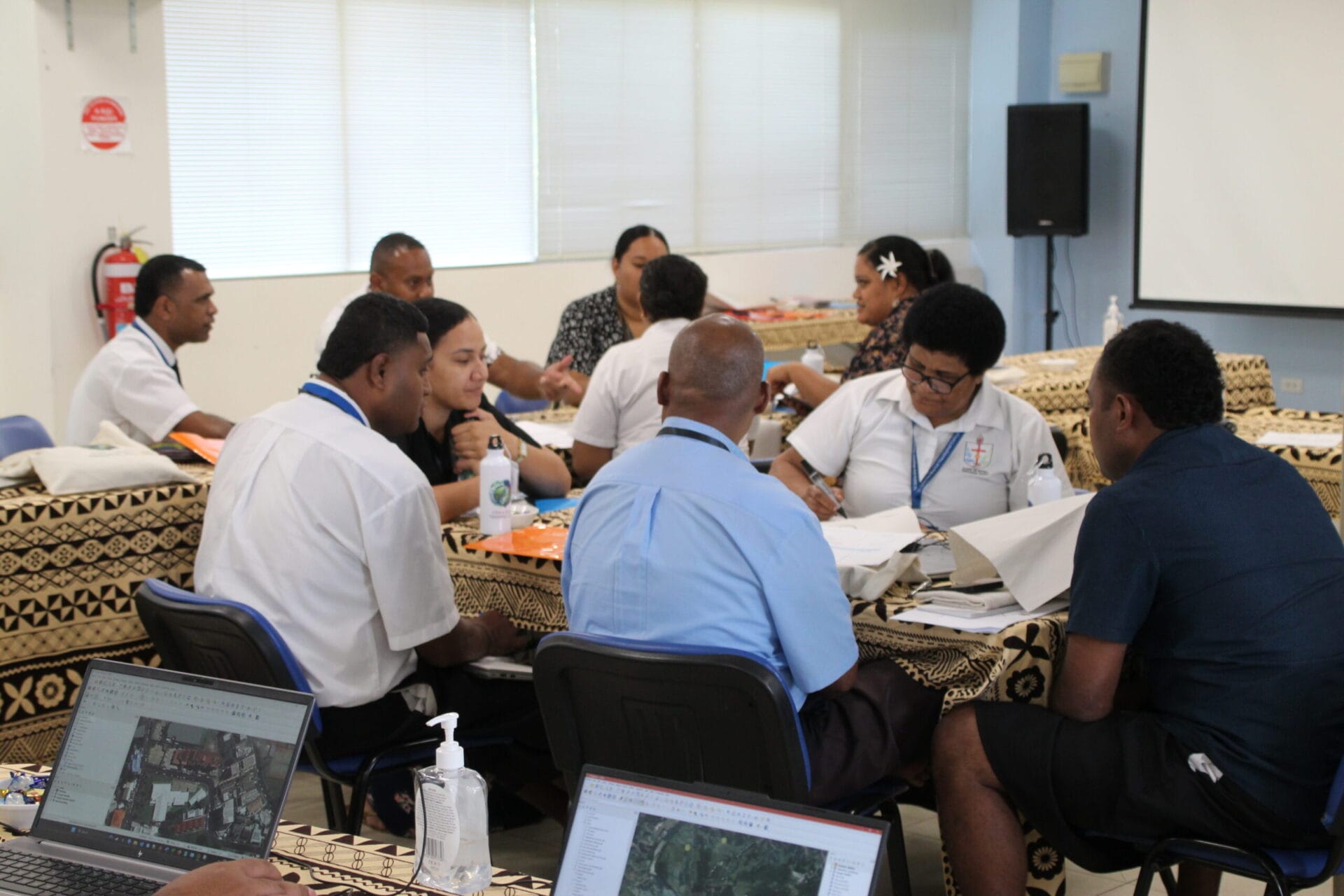
Trained parish leaders and young people use QGIS mapping alongside talanoa (sustained community conversation) to identify hazard zones, at-risk households, evacuation routes and the social networks people rely on.
Their Community Integrated Vulnerability Assessment (CIVA) became an Anglican case study in a UN submission on climate response. After flooding in Nelson, New Zealand, other communities were able to learn from their approach.
Take the campaign into your church and community
Download the Lungs of the Earth 2026 campaign pack for guidance, case studies, action ideas and advocacy resources focused on oceans.
