
The pursuit of Christian unity is a response to Jesus’ prayer for his followers, “that they may all be one… so that the world may believe” (John 17:21).
This sacred call to seek the visible unity of the Church marks a foundational commitment of the Anglican Communion and a key aspect of Anglican identity. Ecumenism, the movement toward worldwide Christian cooperation and unity, is not an optional extra but is integral to our identity and mission.
Ecumenical Dialogues
The Anglican Communion is engaged in numerous bilateral dialogues around the world. These conversations explore matters of faith, order, and witness, aiming to strengthen our bonds of affection and discover new ways to serve God’s mission together.
-
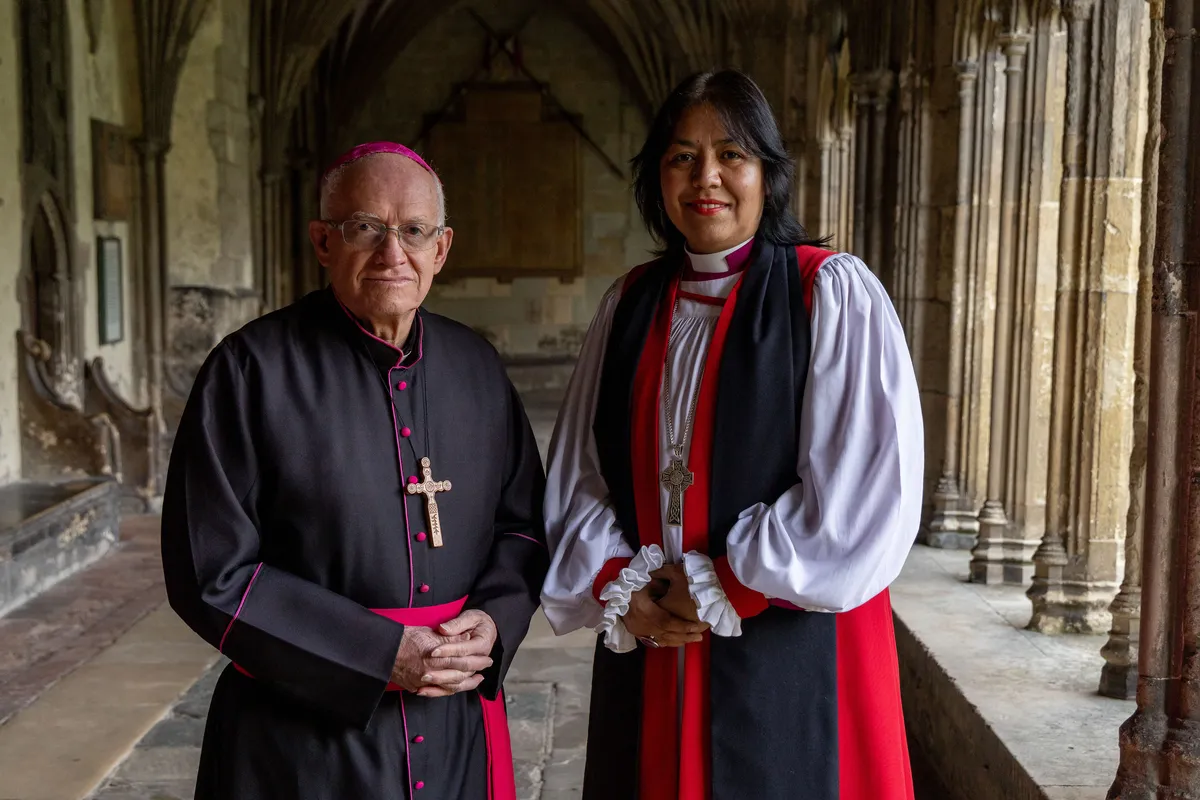
Anglican-Roman Catholic
Dialogue with the Roman Catholic church includes the Anglican-Roman Catholic International Commission (ARCIC), which discusses theological matters, and the International Anglican-Roman Catholic Commission for Unity and Mission (IARCCUM), which pairs Anglican and Catholic bishops in mission and ministry.
-
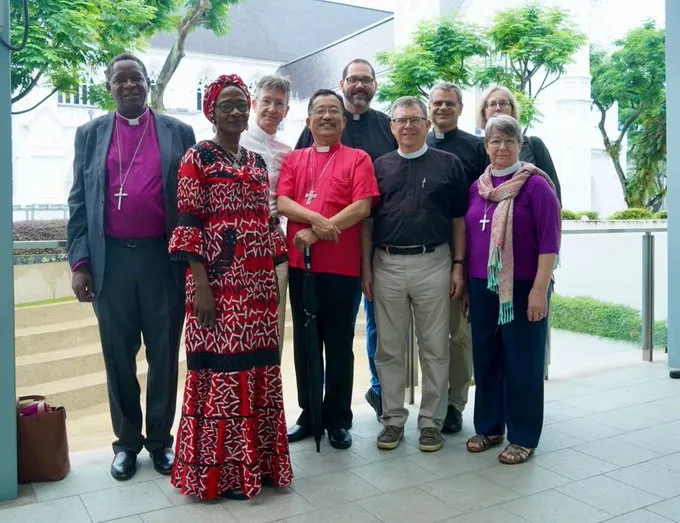
Anglican–Lutheran
This long-standing partnership has resulted in landmark agreements establishing full communion in several regions, including the Porvoo Communion in Europe and Called to Common Mission in the USA.
-
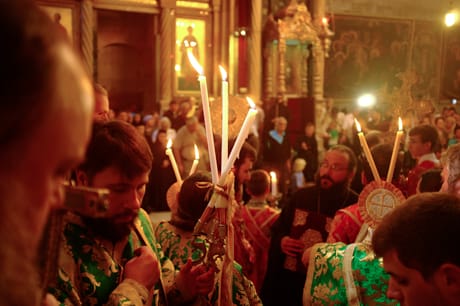
Anglican–Orthodox
This historic dialogue explores profound theological themes and their application to contemporary challenges, having recently produced joint work on Christian anthropology and environmental stewardship.
-
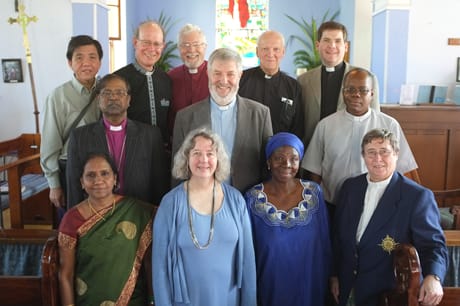
Anglican–Methodist
This dialogue works towards the goal of our two communions coming together in a shared life, ministering jointly ‘under the sign of the historic episcopate’.
-
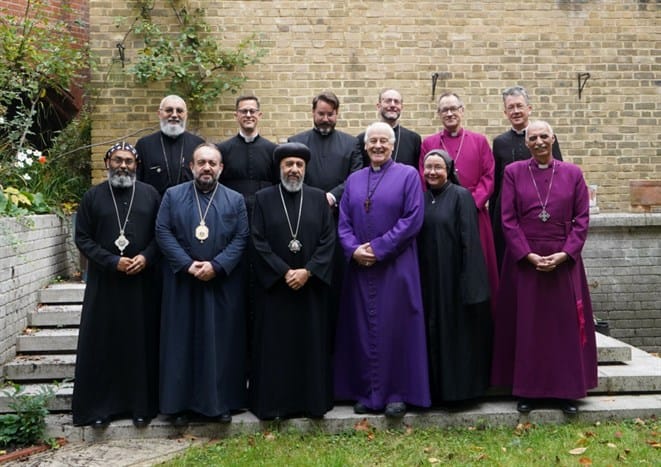
Anglican–Oriental Orthodox
Our dialogue has reached significant agreements on foundational topics, including Christology and the Holy Spirit, overcoming centuries-old theological divisions.
-
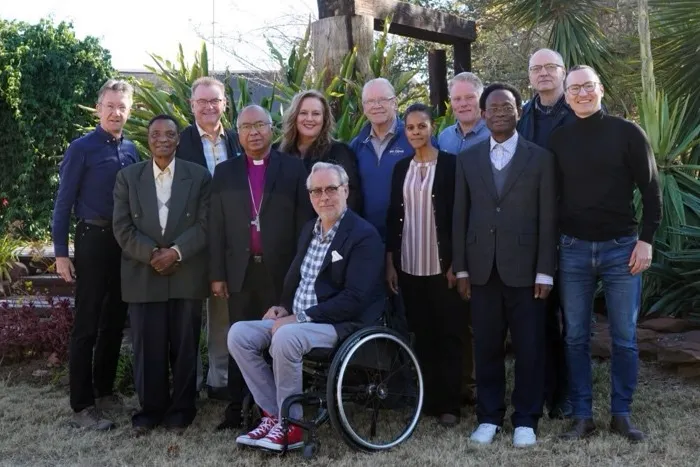
Anglican-Pentecostal
Our newest formal dialogue, the International Pentecostal-Anglican Commission (IPAC), has begun exploring the vital theme of holiness in the life of the Christian and the Church.
-
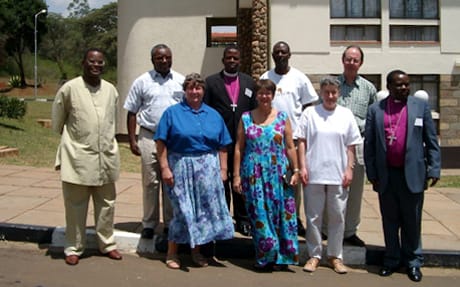
Anglican–Baptist
This dialogue explores areas of common ground and mutual understanding between our two traditions, focusing on shared convictions around baptism, evangelism, and the nature of the Church as a community called to mission.
-
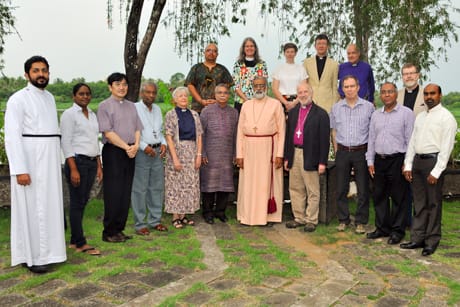
Anglican–Reformed
Our conversations focus on koinonia (communion) as a divine gift and calling, exploring how our shared understanding of communion can transform conflict and foster reconciliation.


